
Department-based laboratory practice
Biochemistry, hematology, clinical pathology, immunology, microbiology, molecular diagnostics, and histopathology are handled through dedicated workflows so each test is processed in the right laboratory context.

JCRL Diagnostics
Changing Perception
Quality in diagnostics is not defined by one certificate or one instrument. It is built through careful collection, controlled sample handling, department-specific analysis, internal review, and responsible reporting.
JCRL Diagnostics supports a broad test menu across blood, urine, tissue, hormone, infection, cardiac, diabetes, liver, kidney, thyroid, vitamin, and specialized diagnostic workflows.
500+
Tests available
24x7
Central lab
350+
Team members
2005
Founded
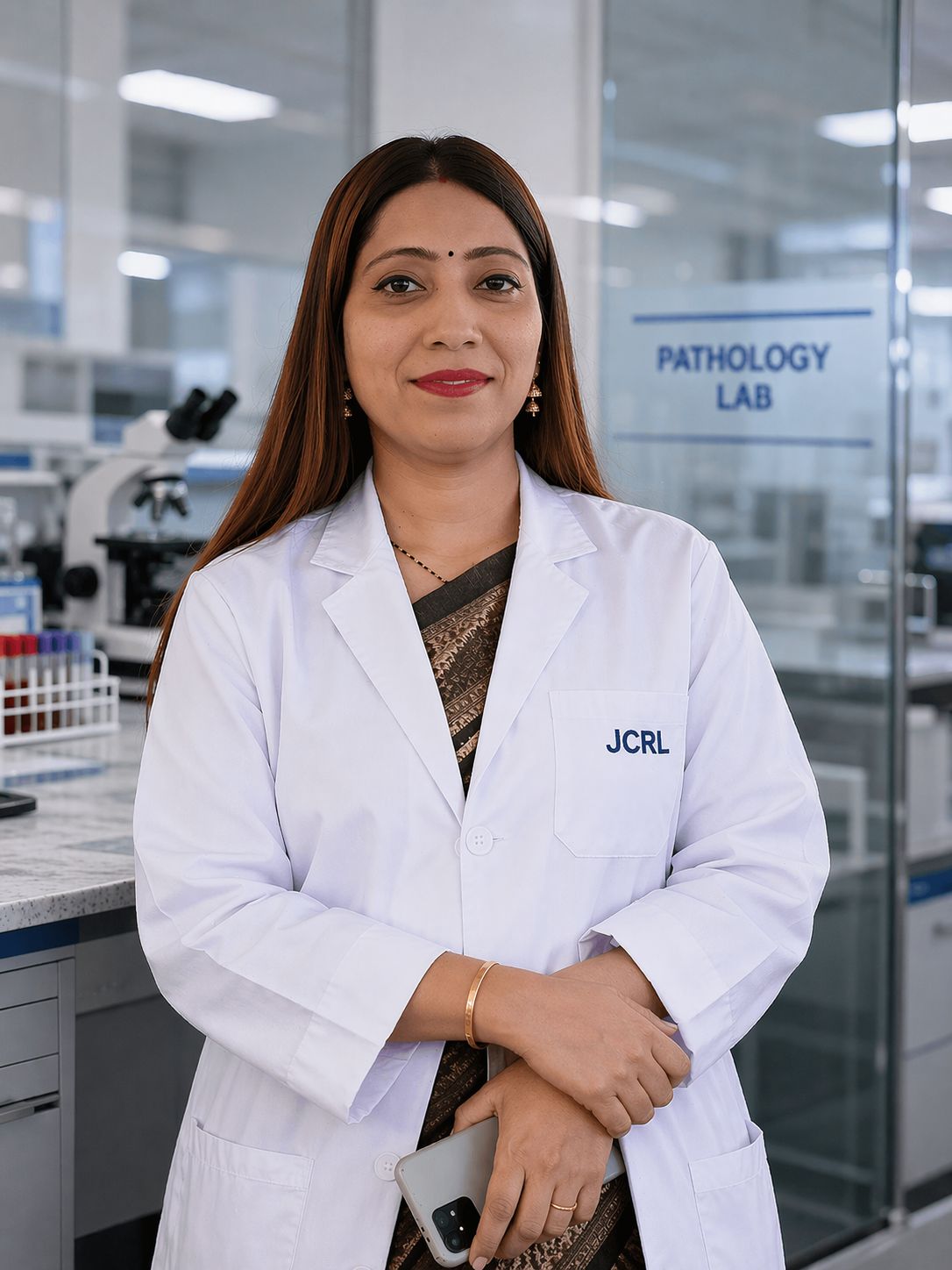
Laboratory process
Behind every result is a sequence of trained handling, department workflow, technical checks, and clinical responsibility.
Biochemistry, hematology, clinical pathology, immunology, microbiology, molecular diagnostics, and histopathology are handled through dedicated workflows so each test is processed in the right laboratory context.
Preparation, fasting advice, sample type, tube selection, labelling, and handover are treated as part of result quality from the very beginning.
Sample transport, temperature-sensitive handling, packing discipline, and receipt checks protect specimen integrity before testing begins.
Reports should be clinically responsible, easy to access, and supported by a clear internal review process before they reach the patient or doctor.
Most patients see only collection and final delivery. The critical work in between involves identification, specimen condition, workflow routing, analytical discipline, and result review.
01
The team confirms timing, fasting advice, sample type, prescription context, and collection readiness before the sample is drawn.
02
Patient identity, tube selection, labelling, and collection notes are handled carefully to reduce avoidable pre-analytical errors.
03
Samples move through defined logistics, receipt checks, and accessioning steps before entering the laboratory workflow.
04
The relevant department processes the sample, verifies the output, and advances the result through reporting review before release.
The most useful way to explain laboratory technology is through patient and clinician needs: infection detection, blood analysis, organ-function testing, hormones, proteins, trace elements, and specialized studies.
Used when the diagnostic question depends on infectious markers, genetic targets, or high-sensitivity detection where routine chemistry is not enough.
Supports complete blood counts, coagulation workups, blood-cell differentials, and deeper cellular analysis where clinical decisions require more detail.
Covers organ-function testing, diabetes markers, thyroid and hormone panels, vitamins, cardiac markers, and other routine or specialized chemistry profiles.
Supports trace-element studies, protein-pattern work, and specialized chemistry methods that extend beyond standard daily screening panels.

If a patient is unsure which test to book, the safer path is review and confirmation rather than guesswork.

Preparation guide
Preparation matters. This guide explains when fasting is required, why timing affects certain markers, and what patients should clarify before sample collection.
Image source: Wikimedia Commons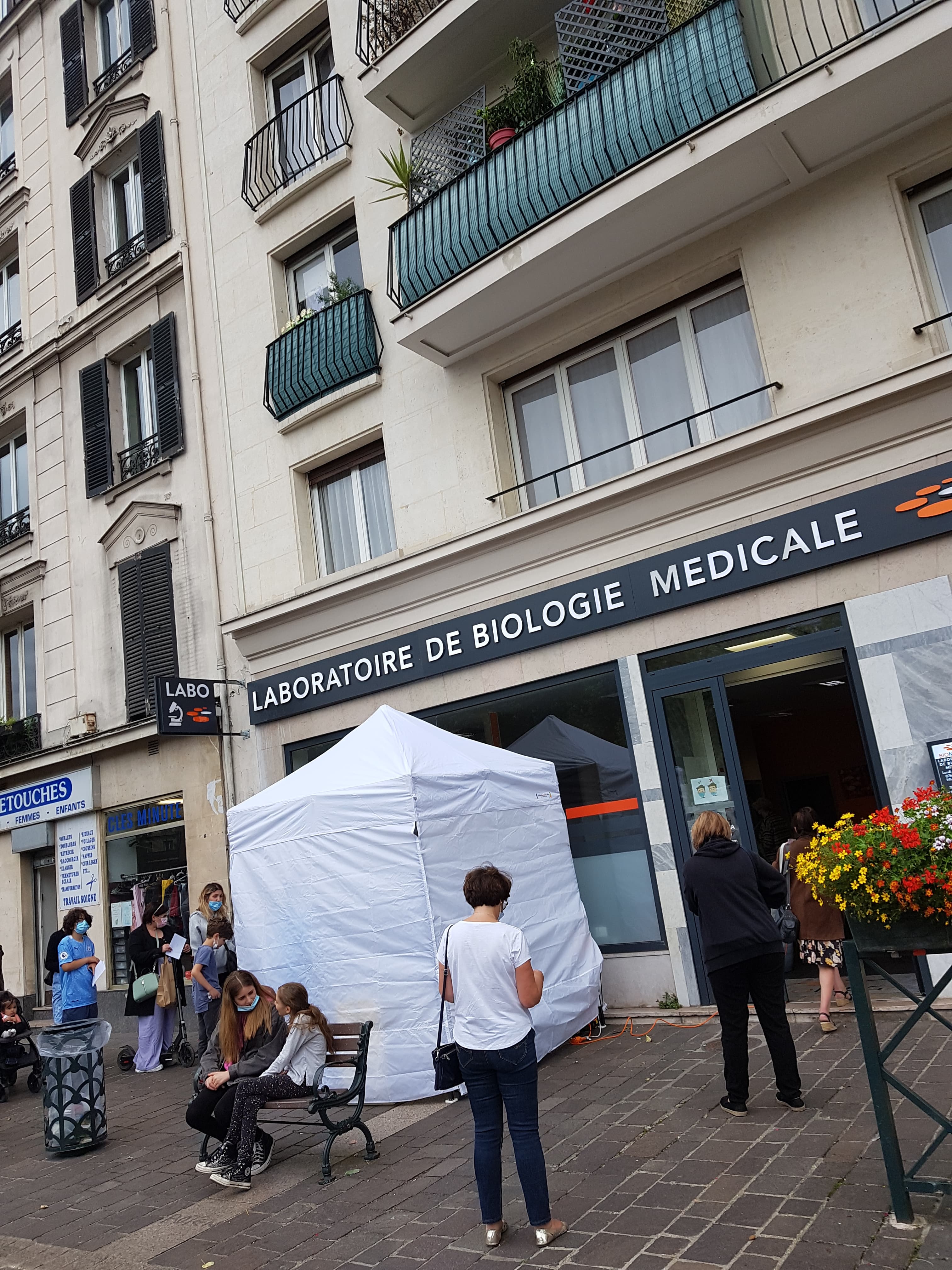
Profile explainer
Patients often book a profile without knowing what sits behind the name. This article explains how routine panels help doctors assess organ function, hormones, and metabolic balance.
Image source: Wikimedia Commons
Technology guide
Good diagnostics depend on more than equipment. This article looks at sample handling, internal review, reporting discipline, and why the full quality chain matters to the final report.
Image source: Wikimedia CommonsSearch the catalog, review preparation guidance, request home collection, or contact the team with prescription details before booking.
Get a call back from our health advisor for quick assistance